Videos › Language Paper 1 in five minutes
Language Paper 1: the scheme in five minutes
5 minutes · captions available
The Language Paper 1 scheme of learning in five minutes: the scheme at a glance, one lesson, the three levels of support and the Feedback Loop kits.
Chapters
Transcript
Introduction
This is Between the Lines, and this is the walkthrough of our Language Paper 1 scheme of learning. I'm Hannah.
The scheme at a glance
Language Paper 1 is written for AQA English Language Paper 1, explorations in creative reading and writing, in the format examined from June 2026. It's 20 lessons of sixty minutes, about five weeks, with three levels of support throughout. The lessons run in four sequences: Reading fiction: language, lessons 1 to 5; Reading fiction: structure and evaluation, lessons 6 to 9; Writing fiction, lessons 10 to 15; The exam, lessons 16 to 20. There are four assessment points. Three are Feedback Loop kits, each tied to one exam question: Lesson 5 on Question 2, language, Lesson 9 on Question 4, evaluation, and Lesson 15 on Question 5, descriptive or narrative writing.
One lesson
Let me show you with Lesson 3, Images and senses. The big question is: How do images make a place feel alive, or dead? Apply is about fifteen minutes, and it has two parts. First you explode one quotation together. In this lesson it's "ashes grow like wheat". Before you reveal anything, students try the four empty boxes on the first explode slide: method, zoom in, effect, purpose. Then you think aloud through the full version. The method is a simile that compares a dump to a farm. The words to zoom in on are "grow", a word for living things, when ash is what is left after something has burned. The effect: the reader pictures a harvest of waste, a farm where only dead things come up. The purpose: Fitzgerald turns a place of life into a place of decay, so the valley feels unnatural from the first sentence. That is the whole analytical move the reading questions reward, done out loud, once a lesson, for the whole scheme. Then the hinge question, on mini-whiteboards. The ash-grey men "move dimly and already crumbling through the powdery air". What does "crumbling" suggest about them? The right answer is B: they seem made of ash, falling apart like the land around them. And this is the bit I'd ask every teacher to use. The handbook tells you what each wrong answer means. A student who picks A, that they are tired after a long day, has a sensible but literal reading that misses the image, so you recap that imagery makes a picture and ask what usually crumbles. A student who picks C has added facts the text never gives, so they start on Securing and you model how to stay with the words on the page. The hinge question is how you decide, in thirty seconds, who starts on which level of support. That's what it's for.
Three levels of support
Master is the last twenty-five minutes, and it's where the three levels do their work. Everyone in the room answers the same task. In Lesson 3 it's in the style of the exam: Look in detail at the first paragraph. How does the writer use language here to describe the valley of ashes? In the style of Paper 1 Question 2, eight marks. Securing, aiming for a 4, gives a choice of exact quotations, here "ashes grow like wheat into ridges and hills and grotesque gardens", "ash-grey men, who move dimly and already crumbling through the powdery air" and "gives out a ghastly creak", a worked example on a different quotation, and sentence starters for What, How and Why. Strengthening, aiming for grades 5 to 6, gives prompts instead of starters: a clear point for What, then for How, choose a quotation, name the image, simile, metaphor or personification, zoom in on one word, and say which sense it appeals to, with a checklist. Soaring, aiming for grades 7 to 9, gives a debatable statement to argue with: Fitzgerald makes the valley of ashes more frightening than beautiful. How far do you agree? Two paragraphs, the second beginning with an alternative reading. Same source, same question, same standard. Only the scaffolding changes.
Feedback Loop kits
Three times in the scheme, the Master phase is a Feedback Loop kit: a twenty-five minute progress check that fits inside the lesson, and each one practises one exam question. You place the paragraph in one of AQA's four levels for that question, using our indicative content. There is no raw mark, and that's deliberate. A four out of eight tells a student one thing, that they got four. A level, in AQA's own words, tells them what the answer does now and what the next one asks for.
Every scheme, the same shape
That's the Language Paper 1 scheme. The same structure runs through every Between the Lines scheme, so a teacher who has taught one has taught the shape of all of them, and a student who moves classes mid-year lands in a lesson they recognise. Lesson 3 of every scheme is free at btl.education if you want to show a colleague what a lesson looks like before they open the folders. Thank you for watching, and good luck with the paper.
More videos
Every folder in the A Christmas Carol scheme: the teacher handbook, the slides, the student materials at three levels, the Feedback Loop kits, the end-of-unit essay, the stretch booklet and the catch-up and inclusion sheets.
Hannah teaches through the free Lesson 3, Meet Scrooge: the Do Now, the four key words, exploding a quotation, the hinge question and the same task at Securing, Strengthening and Soaring.
The schemes and licences, the free resources, revision packs for home, essay marking, the Knowledge hub and the display settings for reading on screen.
Long reads on the thinking behind the schemes, guides for teachers, students and parents and carers, education news and a glossary of 336 terms. Free to read, no sign-up.
The four English exams, how they are marked in levels, what the levels of support mean, and what helps at home. For parents and carers.
Every question on Paper 1: what it asks, how many marks it carries, how long to spend and what a strong answer does.
Every question on Paper 2: the two sources, summary, language, comparison and the viewpoint writing task.
The Shakespeare play and the 19th-century novel: the extract-to-whole question, timing, and what examiners reward.
The modern text, the poetry anthology and the unseen poems: the questions, the timing and how they are marked.
A 25-minute intervention session from start to finish: Do Now, extract, one quotation or skill, an exam question and a green-pen check.
How a Feedback Loop kit runs: the progress check, whole-class feedback in one lesson, and the improvement tasks at three levels.
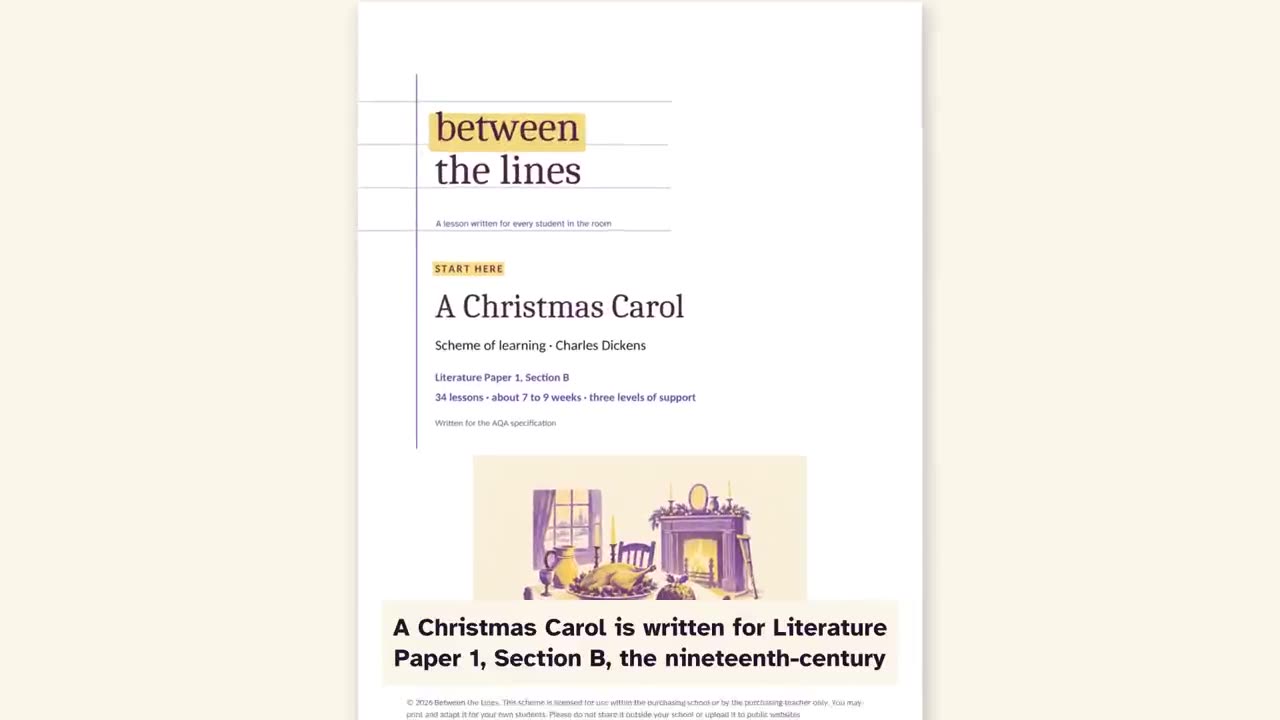
The A Christmas Carol scheme of learning in five minutes: the scheme at a glance, one lesson, the three levels of support and the Feedback Loop kits.
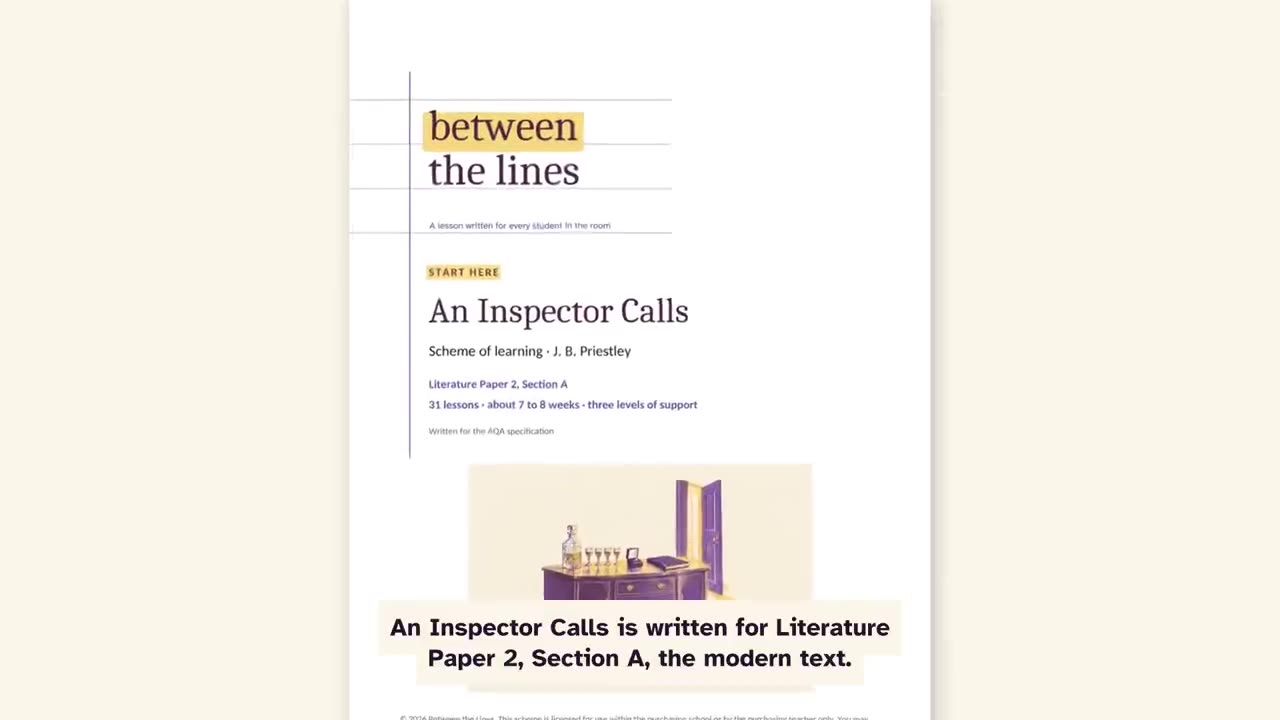
The An Inspector Calls scheme of learning in five minutes: the scheme at a glance, one lesson, the three levels of support and the Feedback Loop kits.
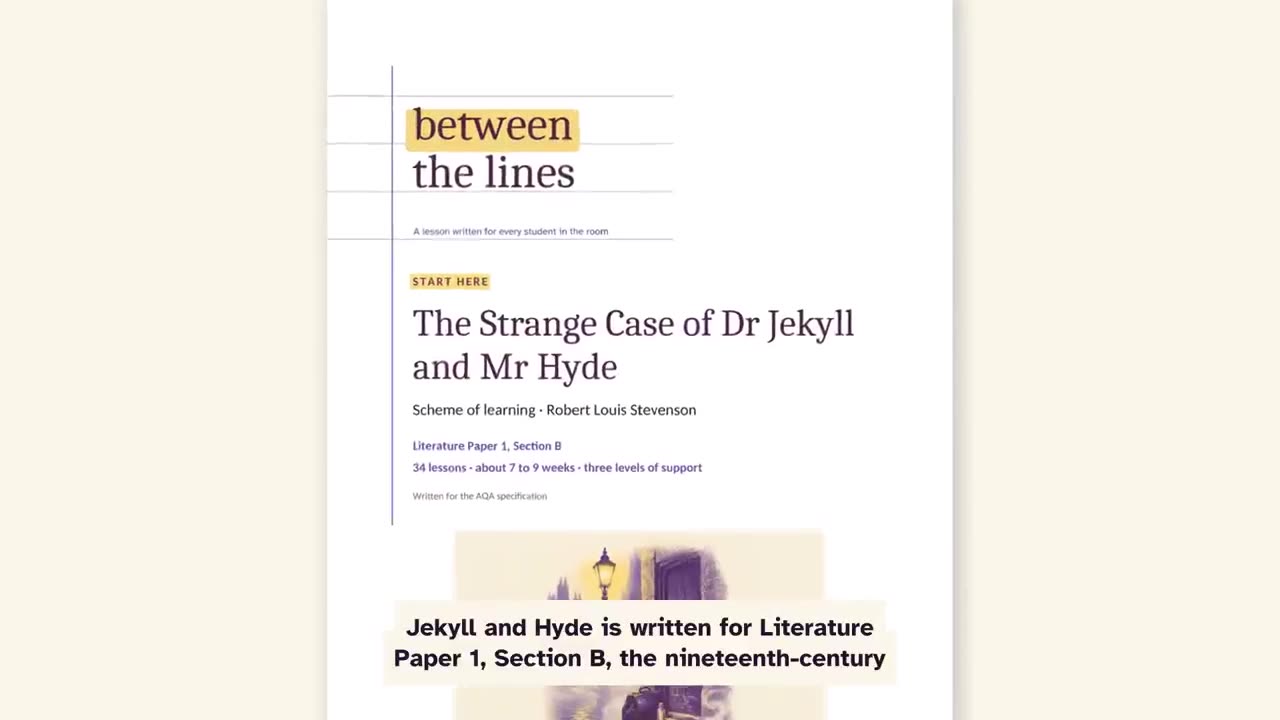
The Jekyll and Hyde scheme of learning in five minutes: the scheme at a glance, one lesson, the three levels of support and the Feedback Loop kits.
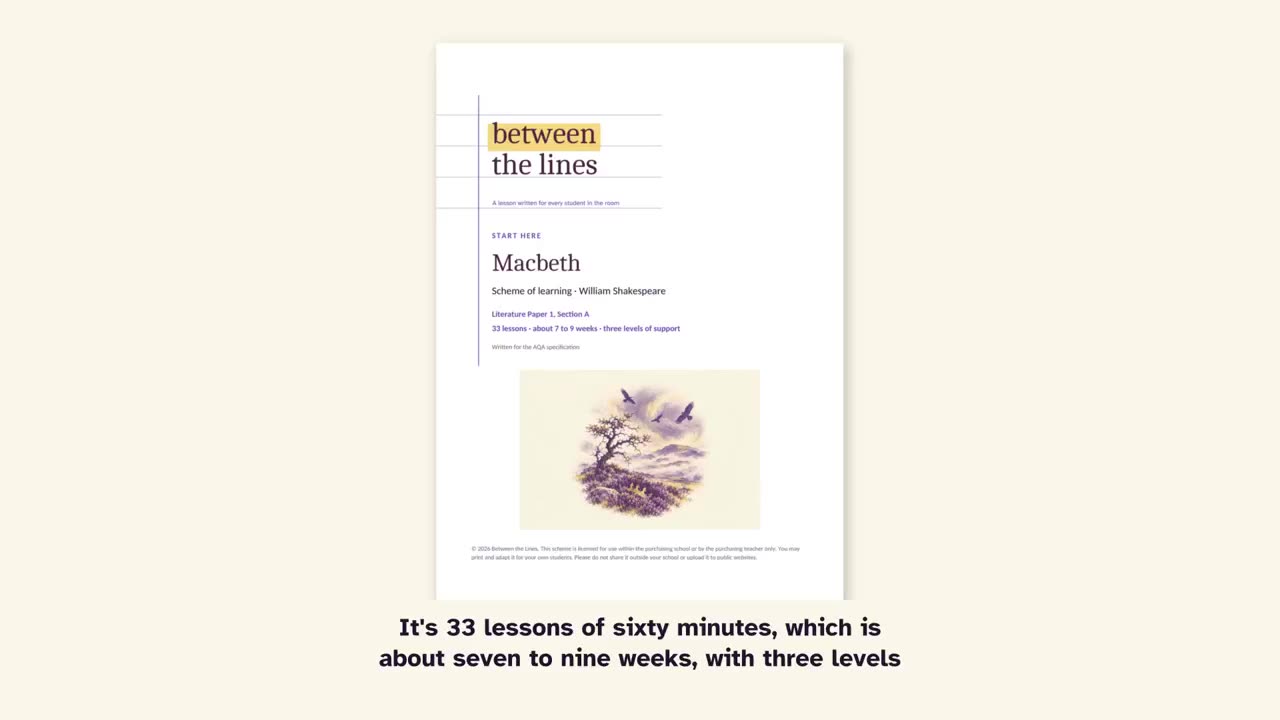
The Macbeth scheme of learning in five minutes: the scheme at a glance, one lesson, the three levels of support and the Feedback Loop kits.
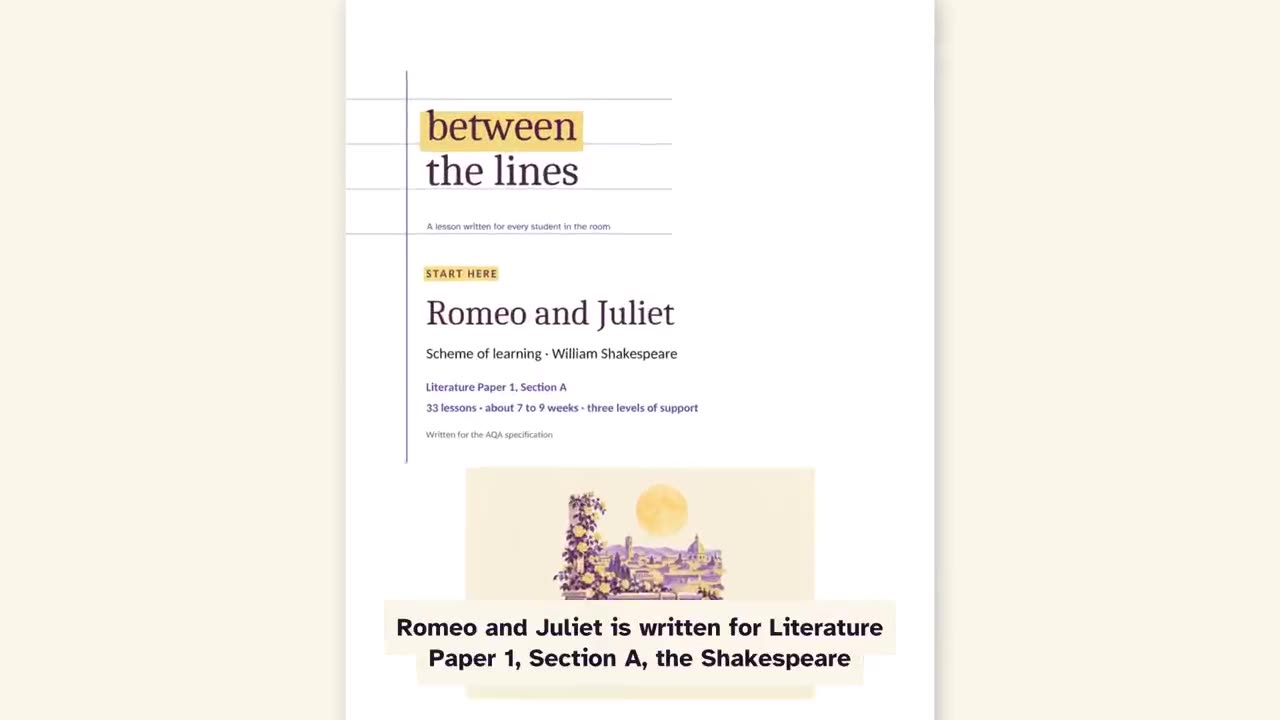
The Romeo and Juliet scheme of learning in five minutes: the scheme at a glance, one lesson, the three levels of support and the Feedback Loop kits.
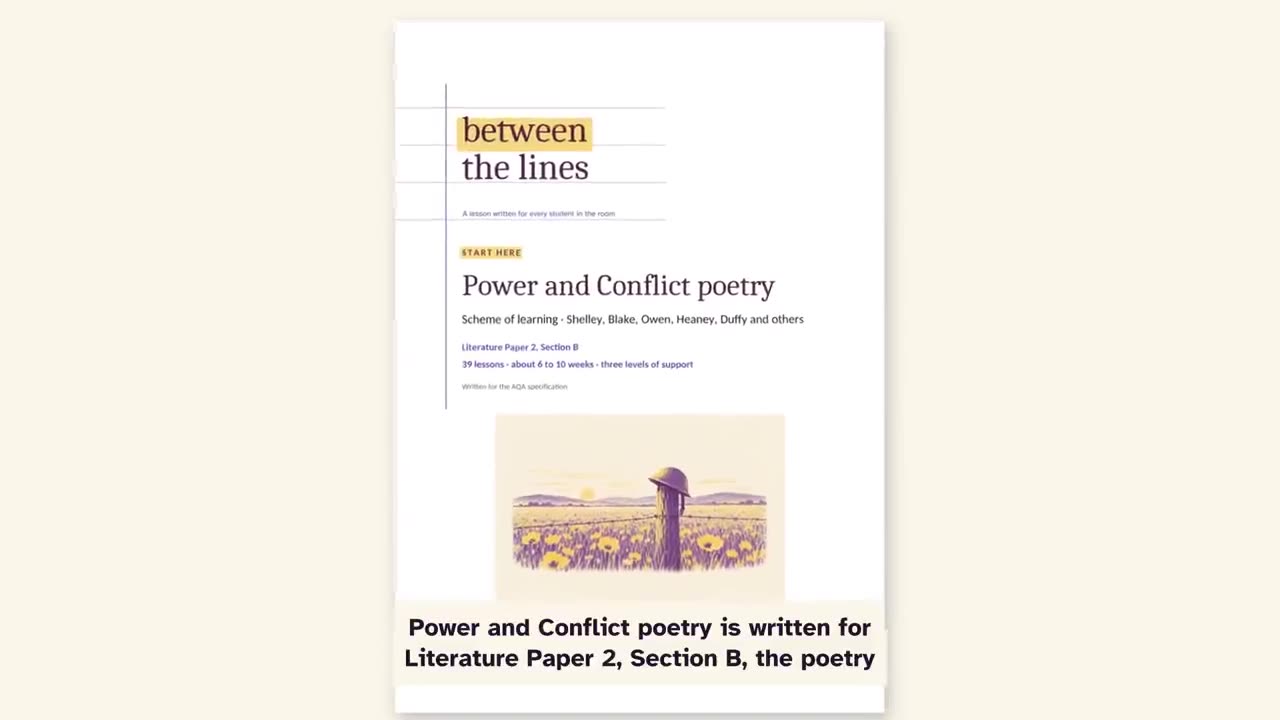
The Power and Conflict poetry scheme of learning in five minutes: the scheme at a glance, one lesson, the three levels of support and the Feedback Loop kits.
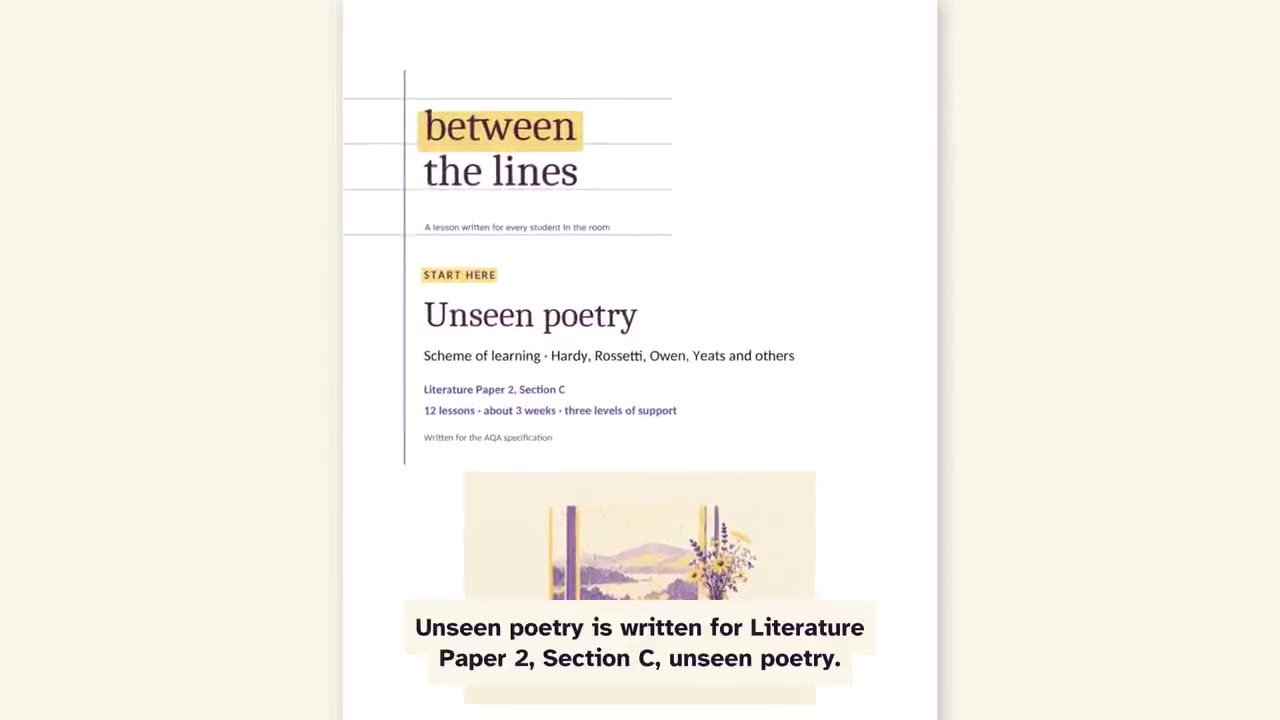
The Unseen poetry scheme of learning in five minutes: the scheme at a glance, one lesson, the three levels of support and the Feedback Loop kits.
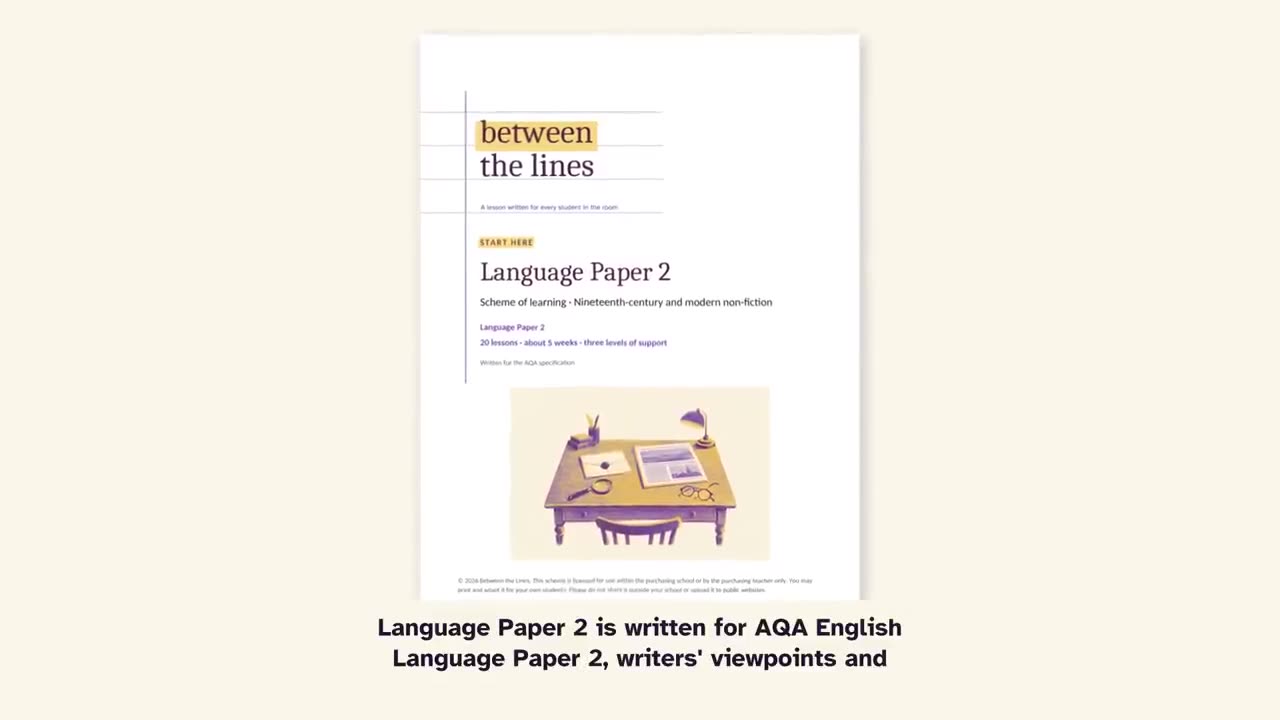
The Language Paper 2 scheme of learning in five minutes: the scheme at a glance, one lesson, the three levels of support and the Feedback Loop kits.
What is in a Raising Achievement set of 30 drills, how every drill runs and how to get started, in five minutes.
Get our emails
About once a month: new free resources and the dates that matter for GCSE English.