Videos › Power and Conflict poetry in five minutes
Power and Conflict poetry: the scheme in five minutes
5 minutes · captions available
The Power and Conflict poetry scheme of learning in five minutes: the scheme at a glance, one lesson, the three levels of support and the Feedback Loop kits.
Chapters
Transcript
Introduction
This is Between the Lines, and this is the walkthrough of our Power and Conflict poetry scheme of learning. I'm Hannah.
The scheme at a glance
Power and Conflict poetry is written for Literature Paper 2, Section B, the poetry anthology. It's 39 lessons of sixty minutes, which is about six to ten weeks, with three levels of support throughout. The lessons run in five sequences: The power of rulers, lessons 1 to 10; The power of nature, lessons 11 to 17; Soldiers in battle, lessons 18 to 24; Memory, loss and identity, lessons 25 to 35; The exam, lessons 36 to 39. There are five assessment points. Four are Feedback Loop kits, in lessons 10, 17, 24 and 35, each one a comparison of two poems the class has just studied, and the fifth is the end-of-unit essay in Lesson 38, with its feedback lesson after it.
One lesson
Let me show you with Lesson 3, Ozymandias. The big question is: How does Shelley show that human power does not last? Apply is about fifteen minutes, and it has two parts. First you explode one quotation together. In this lesson it's "The lone and level sands stretch far away". Before you reveal anything, students try the four empty boxes on the first explode slide: method, zoom in, effect, purpose. Then you think aloud through the full version. The method is alliteration in the last line of the sonnet, with no pause from start to finish. The word to zoom in on is "lone": it tells us nothing else is left, and "level" means flat, because the desert has worn everything down. The effect: the long, slow line makes the reader see sand going on for ever, with the king's statue a tiny broken thing inside it. The purpose: Shelley, a Romantic who hated tyranny, gives the last word to nature and time. That is the whole analytical move the exam rewards, done out loud, once a lesson, for the whole scheme. Then the hinge question, on mini-whiteboards. Who tells the reader about the statue in Ozymandias? The right answer is B: the speaker, who repeats what a traveller told him. And this is the bit I'd ask every teacher to use. The handbook tells you what each wrong answer means. A student who picks A, the king himself, has mixed up the inscription with the speaker, so they start on Securing. A student who picks C, the sculptor, has spotted him in the poem but missed the frame, so you draw the chain of voices on the board: speaker, traveller, sculptor, king. The hinge question is how you decide, in thirty seconds, who starts on which level of support. That's what it's for.
Three levels of support
Master is the last twenty-five minutes, and it's where the three levels do their work. Everyone in the room answers the same question as a What–How–Why paragraph. In Lesson 3 it's: How does Shelley show that human power does not last in Ozymandias? Securing, aiming for a 4, gives a choice of exact quotations, here "Half sunk, a shattered visage lies", "Nothing beside remains" and "boundless and bare", a worked example on a different quotation, and sentence starters for What, How and Why. Strengthening, aiming for grades 5 to 6, gives prompts instead of starters: a clear point for What, then choose a quotation from after the volta, name the method, irony, alliteration or caesura, and zoom in on one word, and for Why, what Shelley, who hated tyranny, wanted the reader to think about rulers like this one, with a checklist. Soaring, aiming for grades 7 to 9, gives a debatable statement to argue with: In Ozymandias art lasts longer than power. How far do you agree? Two paragraphs, the second beginning with an alternative reading. Same poem, same question, same standard. Only the scaffolding changes.
Feedback Loop kits
Four times in the scheme, the Master phase is a Feedback Loop kit: a twenty-five minute progress check that fits inside the lesson. You place the paragraph in one of the six AQA levels, using our indicative content for this task. There is no raw mark, and that's deliberate. A six out of thirty tells a student one thing, that they got six. A level, in AQA's own words, tells them what the paragraph does now and what the next one asks for.
Every scheme, the same shape
That's the Power and Conflict poetry scheme. The same structure runs through every Between the Lines scheme, so a teacher who has taught one has taught the shape of all of them, and a student who moves classes mid-year lands in a lesson they recognise. Lesson 3 of every scheme is free at btl.education if you want to show a colleague what a lesson looks like before they open the folders. Thank you for watching, and I hope your classes find the poems as rewarding as mine have.
More videos
Every folder in the A Christmas Carol scheme: the teacher handbook, the slides, the student materials at three levels, the Feedback Loop kits, the end-of-unit essay, the stretch booklet and the catch-up and inclusion sheets.
Hannah teaches through the free Lesson 3, Meet Scrooge: the Do Now, the four key words, exploding a quotation, the hinge question and the same task at Securing, Strengthening and Soaring.
The schemes and licences, the free resources, revision packs for home, essay marking, the Knowledge hub and the display settings for reading on screen.
Long reads on the thinking behind the schemes, guides for teachers, students and parents and carers, education news and a glossary of 336 terms. Free to read, no sign-up.
The four English exams, how they are marked in levels, what the levels of support mean, and what helps at home. For parents and carers.
Every question on Paper 1: what it asks, how many marks it carries, how long to spend and what a strong answer does.
Every question on Paper 2: the two sources, summary, language, comparison and the viewpoint writing task.
The Shakespeare play and the 19th-century novel: the extract-to-whole question, timing, and what examiners reward.
The modern text, the poetry anthology and the unseen poems: the questions, the timing and how they are marked.
A 25-minute intervention session from start to finish: Do Now, extract, one quotation or skill, an exam question and a green-pen check.
How a Feedback Loop kit runs: the progress check, whole-class feedback in one lesson, and the improvement tasks at three levels.
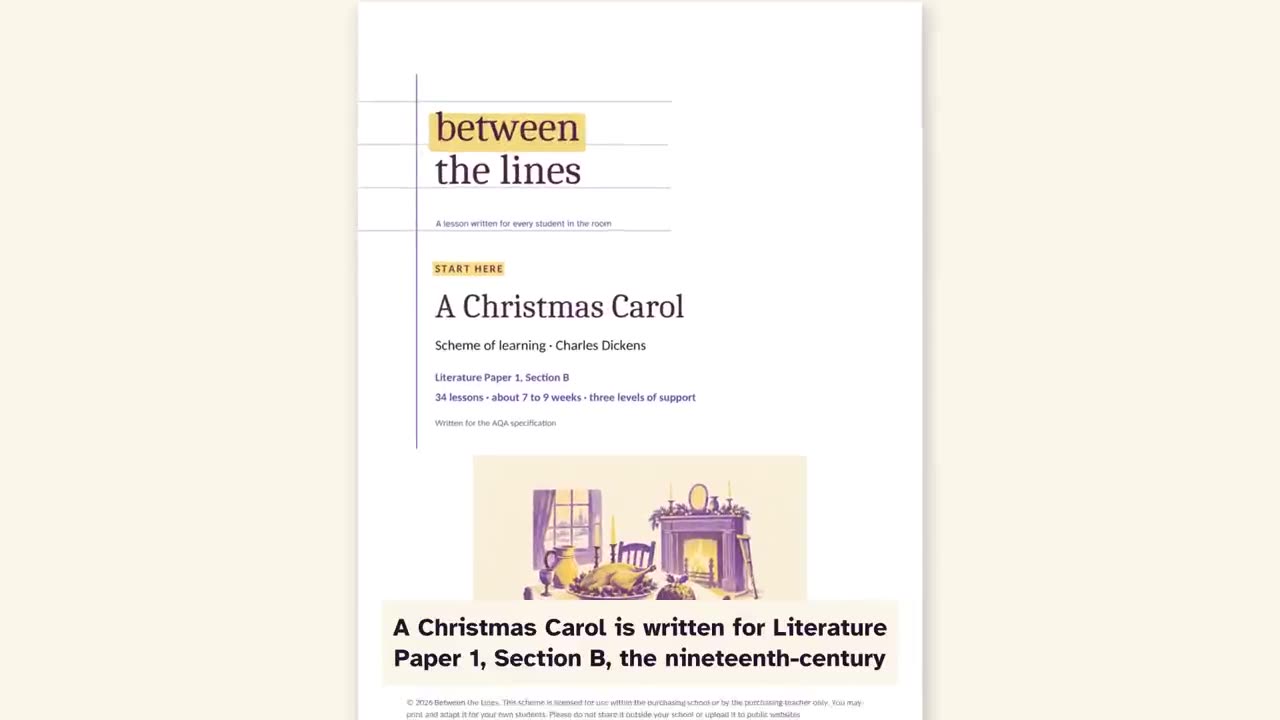
The A Christmas Carol scheme of learning in five minutes: the scheme at a glance, one lesson, the three levels of support and the Feedback Loop kits.
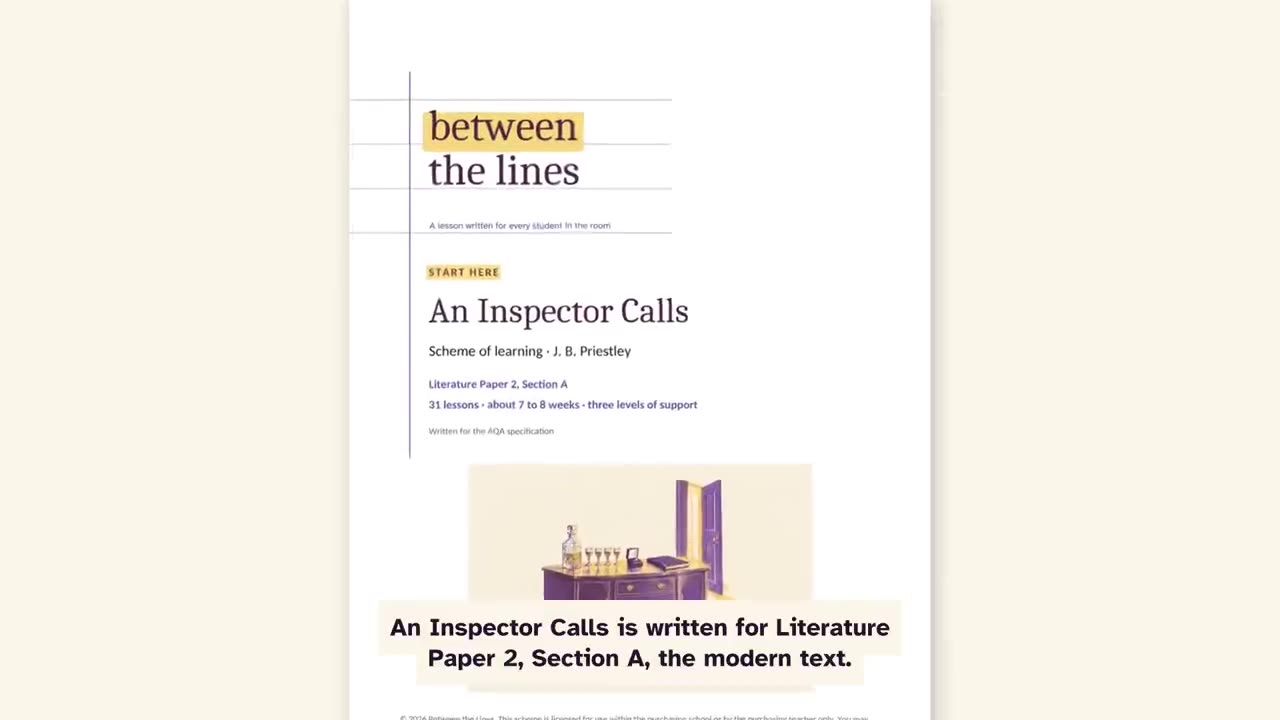
The An Inspector Calls scheme of learning in five minutes: the scheme at a glance, one lesson, the three levels of support and the Feedback Loop kits.
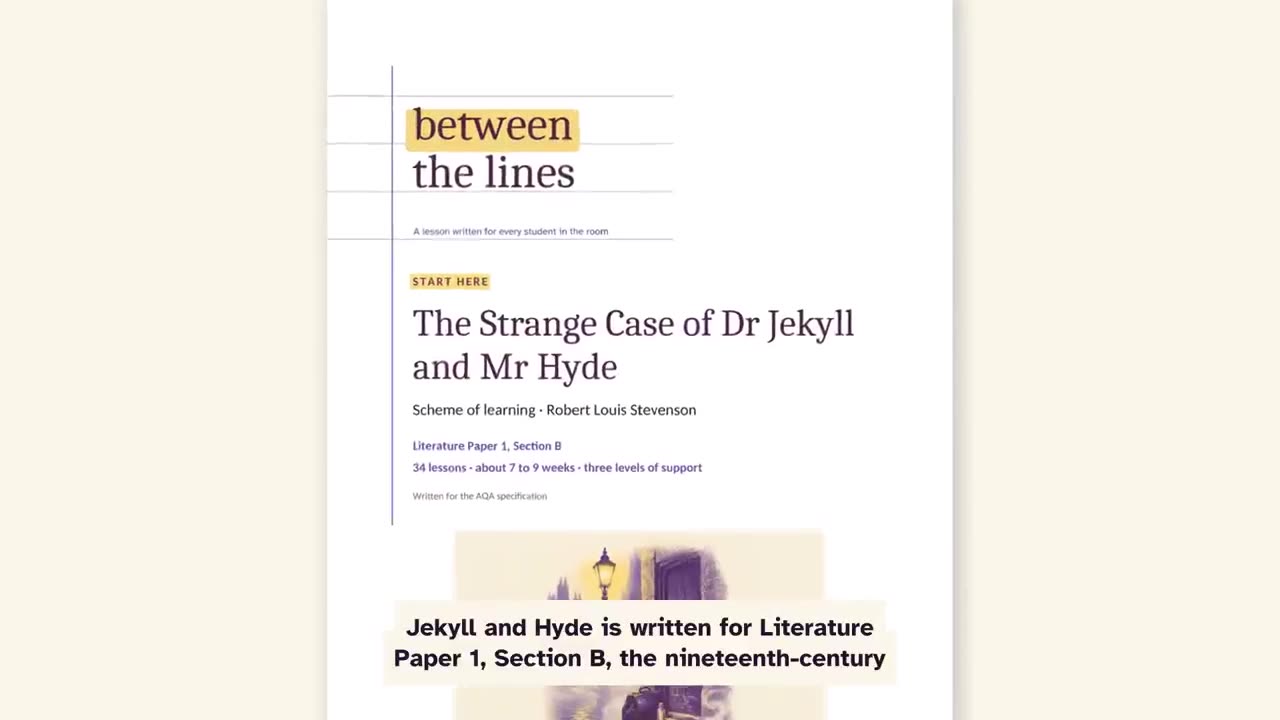
The Jekyll and Hyde scheme of learning in five minutes: the scheme at a glance, one lesson, the three levels of support and the Feedback Loop kits.
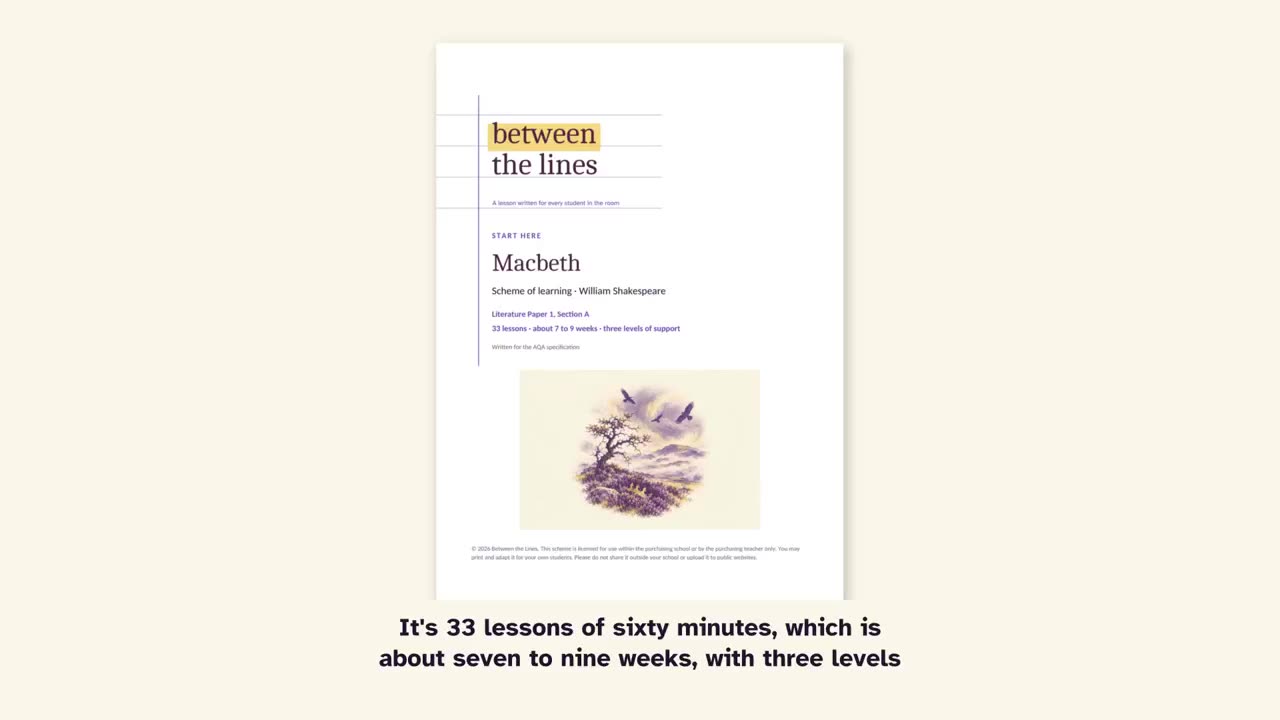
The Macbeth scheme of learning in five minutes: the scheme at a glance, one lesson, the three levels of support and the Feedback Loop kits.
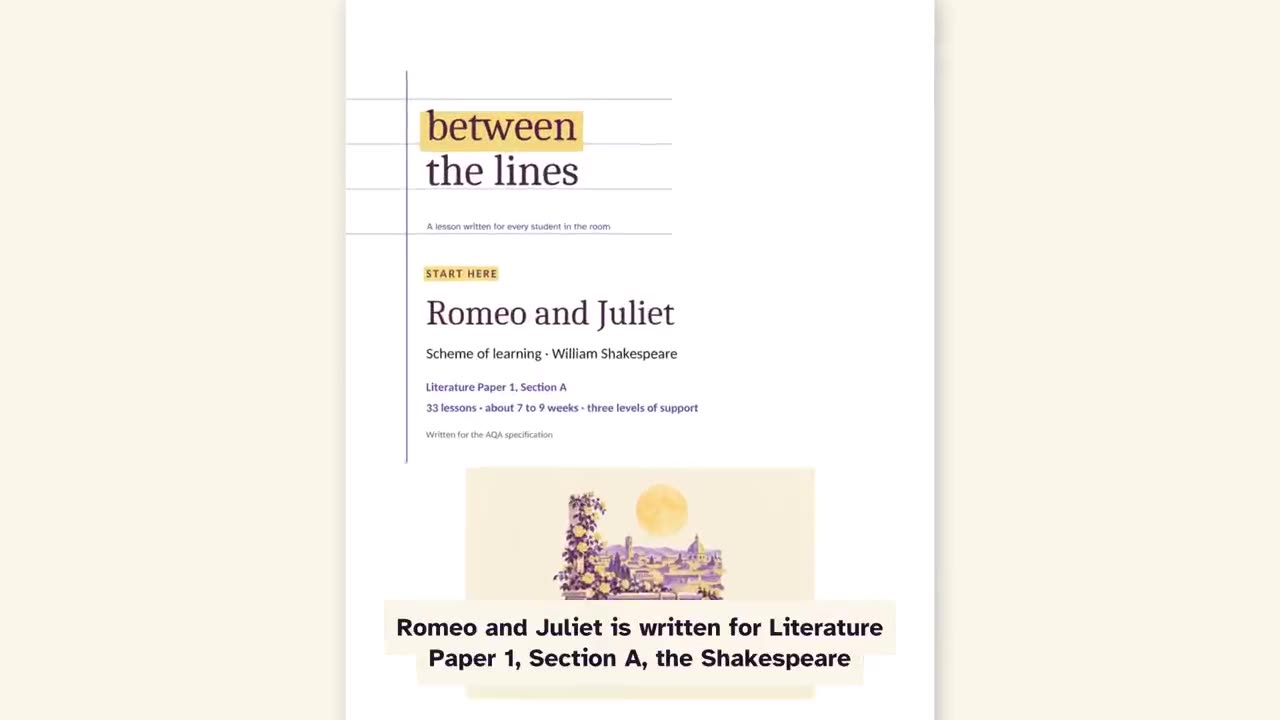
The Romeo and Juliet scheme of learning in five minutes: the scheme at a glance, one lesson, the three levels of support and the Feedback Loop kits.
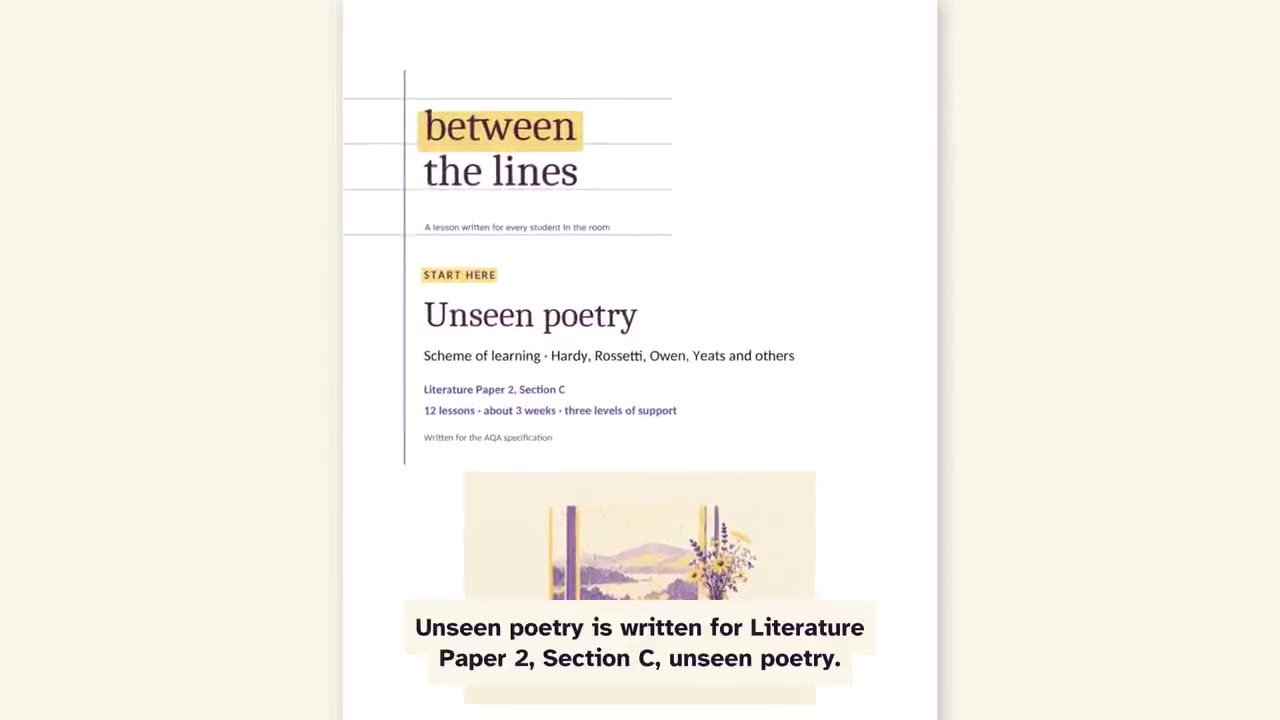
The Unseen poetry scheme of learning in five minutes: the scheme at a glance, one lesson, the three levels of support and the Feedback Loop kits.
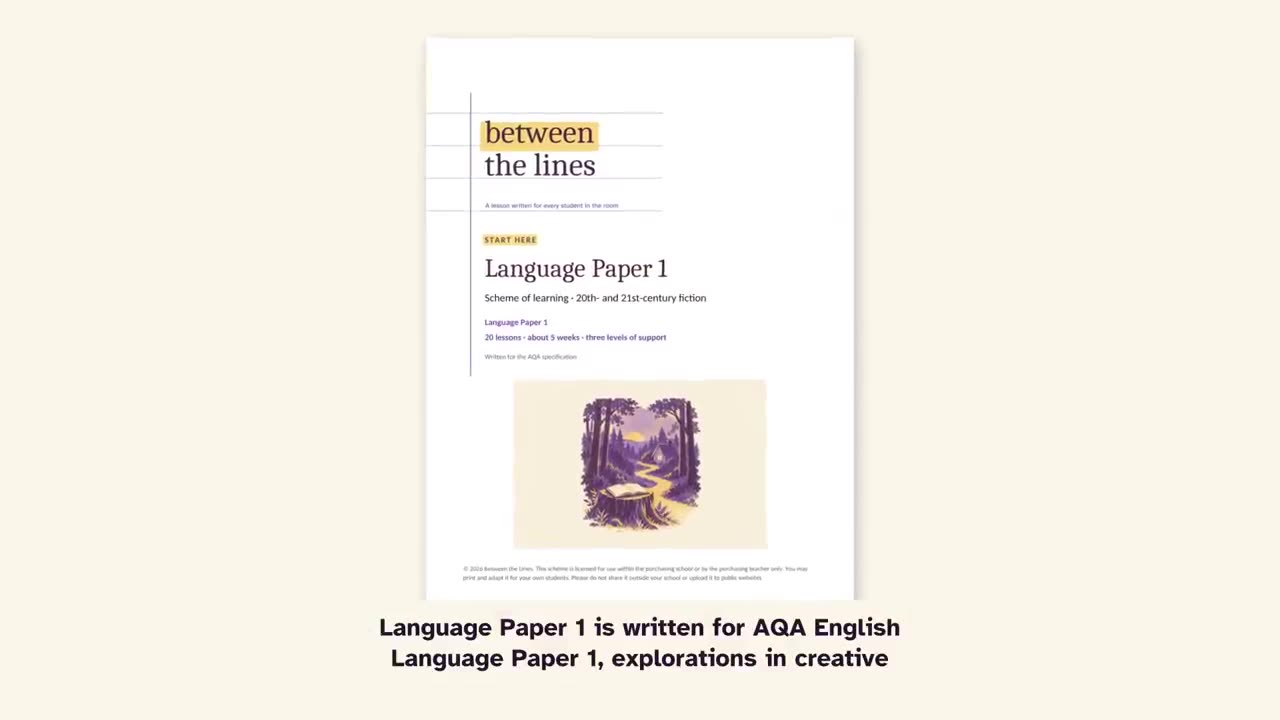
The Language Paper 1 scheme of learning in five minutes: the scheme at a glance, one lesson, the three levels of support and the Feedback Loop kits.
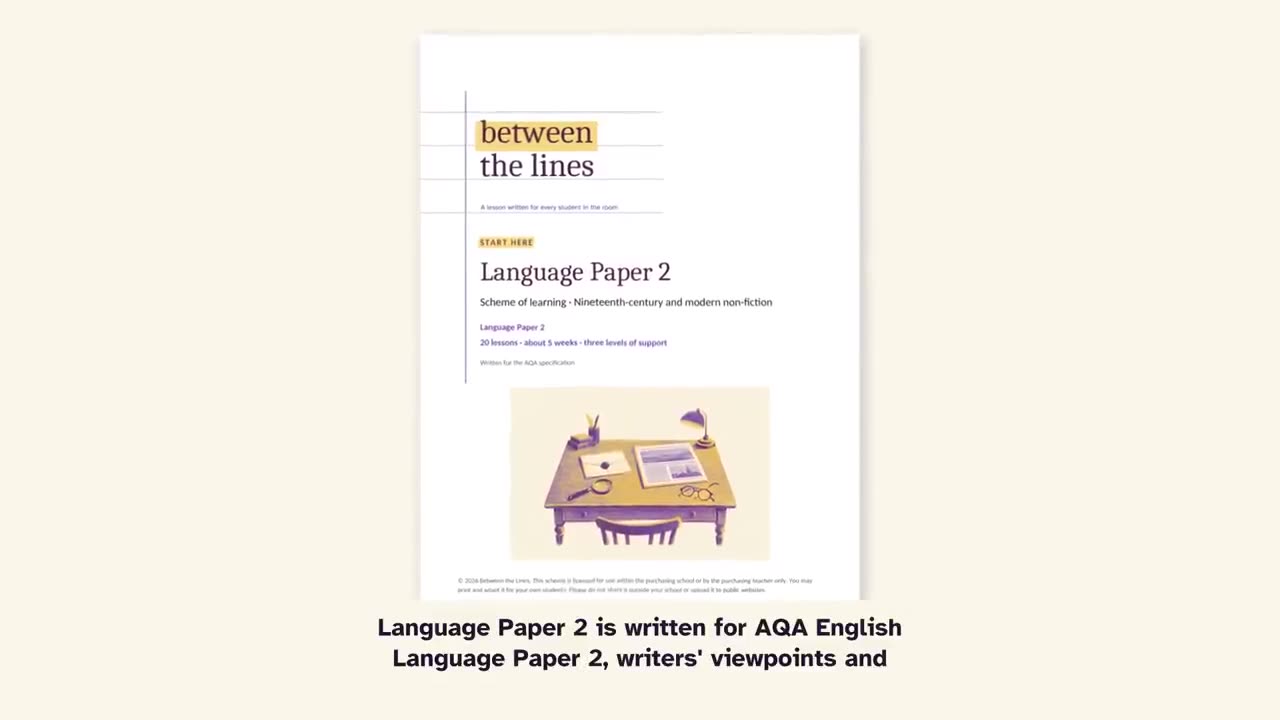
The Language Paper 2 scheme of learning in five minutes: the scheme at a glance, one lesson, the three levels of support and the Feedback Loop kits.
What is in a Raising Achievement set of 30 drills, how every drill runs and how to get started, in five minutes.
Get our emails
About once a month: new free resources and the dates that matter for GCSE English.