Videos › Raising Achievement in five minutes
Raising Achievement drills in five minutes
4 minutes · captions available
What is in a Raising Achievement set of 30 drills, how every drill runs and how to get started, in five minutes.
Chapters
Transcript
Introduction
This is Between the Lines, and this is the walkthrough of our Raising Achievement drills. I'm Hannah. The drills are different from the schemes of learning, so they get their own video. A scheme is a run of lessons that teaches a text or a paper from the start. A Raising Achievement set is thirty short sessions, each about twenty-five to thirty minutes, for students who have been taught the text or the paper and need to get better at answering the question. They're built for Year 11 intervention: the Thursday period six group, the tutor-time slot, the spring term revision session, the room where somebody has to run something and there's nothing planned. They sit outside the schemes of learning if you buy them on their own, and they're included if you buy a school bundle, so check your download before you assume you don't have them.
What's in a set
There's a set for every Between the Lines scheme: nine sets, thirty drills each. Macbeth, Romeo and Juliet, A Christmas Carol, Jekyll and Hyde, An Inspector Calls, Power and Conflict poetry, Unseen poetry, Language Paper 1 and Language Paper 2. Every set has the same three folders. A teacher guide, with answers for every drill. The slides, thirty editable decks with notes on every slide and a PDF copy of each. And the student sheets, one printable sheet per drill. The drills are grouped into topics, and the topics are where you choose. In the Macbeth set they're Macbeth, Lady Macbeth, the wider cast, ambition and guilt, kingship, order and the supernatural, and masculinity and appearance, five drills in each. The Literature sets each take one extract or one moment per drill and explode one important quotation through AO1, AO2 and AO3 questions. The Language sets take one exam question per topic, so Language Paper 1 has a topic for each of the five questions, three drills on the multiple-choice Question 1 and more on the questions that carry more marks, each on a new unseen extract. That's the practical difference for a department. A set-text set is for a student who knows the plot and can't yet write about it. A Language set is for a student who freezes in front of an unseen text and a clock. You can run a set in order, one drill a week for the year, or pick the drill that matches what a group got wrong in their mock. The teacher guide has a page for every topic that tells you what the drills in it practise and the most common error they fix.
How every drill runs
Every drill runs the same routine, and the routine is the point. By the second week students know what's coming, so the session is twenty-five minutes of practice, with no time lost to explaining the task. Do Now: five quick retrieval questions, answered in silence and self-marked. Three minutes. Focus reminder: what the skill or the exam question asks for, in three or four plain points, and the same points every time, because repetition is what a drill is for. Read and check: the extract with line numbers, then quick questions to make sure everyone has understood it before anyone analyses it. Quotation explosion: one quotation, exploded with questions labelled AO1, AO2 and AO3, and in the Language sets a zoom in on single words. Four minutes at most. Technique: one method or one sentence skill, modelled on the extract. Two minutes. The question: an exam-style question in AQA's wording. Students plan an answer or write an introduction in eight minutes, never a full essay, then compare with a model. Have a go: a second short task on a new moment or extract, two or three sentences. Green pen: a checklist to improve the answer before the sheets are collected. Add it up and it's about twenty-five minutes for the set-text drills and thirty for the Language ones, with the timings printed on the teacher guide page for every drill. Nobody writes an essay in a drill. That's deliberate. Thirty essays would take thirty sessions to mark, and the students who need intervention most are the ones who need to practise the first paragraph twenty times, not the whole essay once.
Getting started
Drill 1 of every set is free at btl.education with everything you need to run it, so a department can try one with a group this week before deciding whether the rest of the set is worth having. That's the Raising Achievement drills. Thank you for watching, and I hope they make somebody's Thursday period six a good deal easier.
More videos
Every folder in the A Christmas Carol scheme: the teacher handbook, the slides, the student materials at three levels, the Feedback Loop kits, the end-of-unit essay, the stretch booklet and the catch-up and inclusion sheets.
Hannah teaches through the free Lesson 3, Meet Scrooge: the Do Now, the four key words, exploding a quotation, the hinge question and the same task at Securing, Strengthening and Soaring.
The schemes and licences, the free resources, revision packs for home, essay marking, the Knowledge hub and the display settings for reading on screen.

Long reads on the thinking behind the schemes, guides for teachers, students and parents and carers, education news and a glossary of 336 terms. Free to read, no sign-up.
The four English exams, how they are marked in levels, what the levels of support mean, and what helps at home. For parents and carers.
Every question on Paper 1: what it asks, how many marks it carries, how long to spend and what a strong answer does.
Every question on Paper 2: the two sources, summary, language, comparison and the viewpoint writing task.
The Shakespeare play and the 19th-century novel: the extract-to-whole question, timing, and what examiners reward.
The modern text, the poetry anthology and the unseen poems: the questions, the timing and how they are marked.
A 25-minute intervention session from start to finish: Do Now, extract, one quotation or skill, an exam question and a green-pen check.
How a Feedback Loop kit runs: the progress check, whole-class feedback in one lesson, and the improvement tasks at three levels.
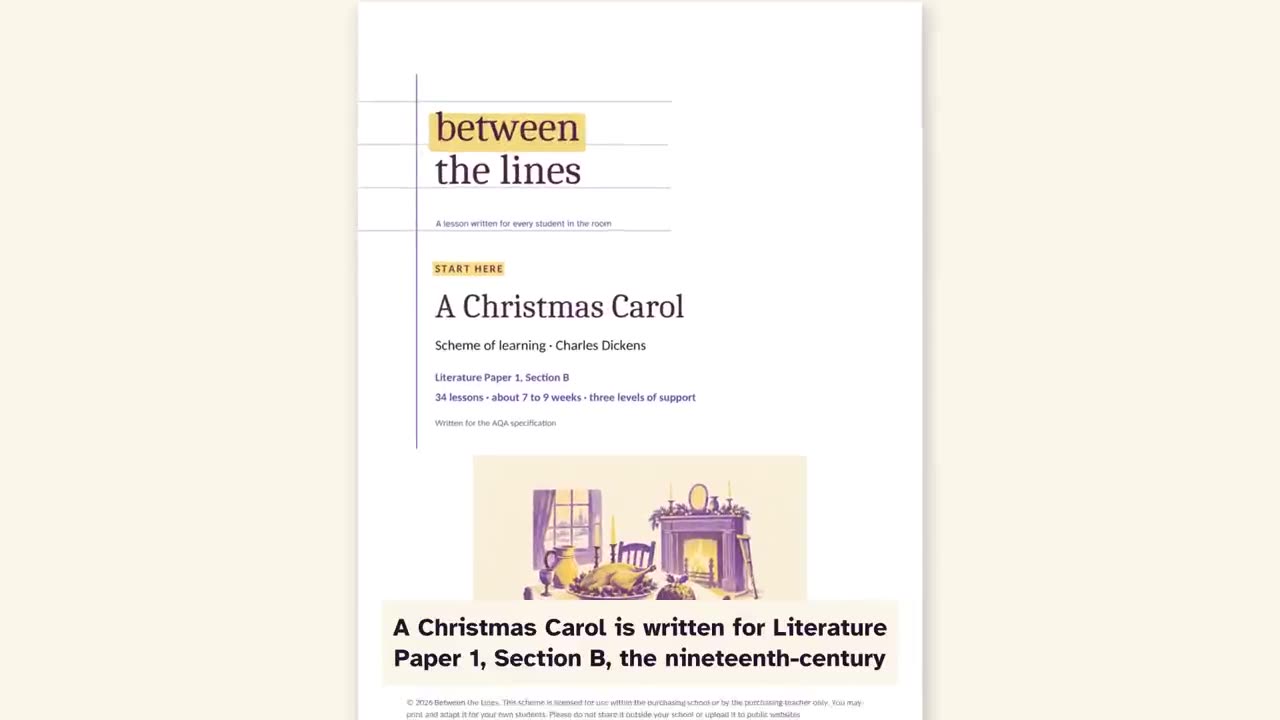
The A Christmas Carol scheme of learning in five minutes: the scheme at a glance, one lesson, the three levels of support and the Feedback Loop kits.
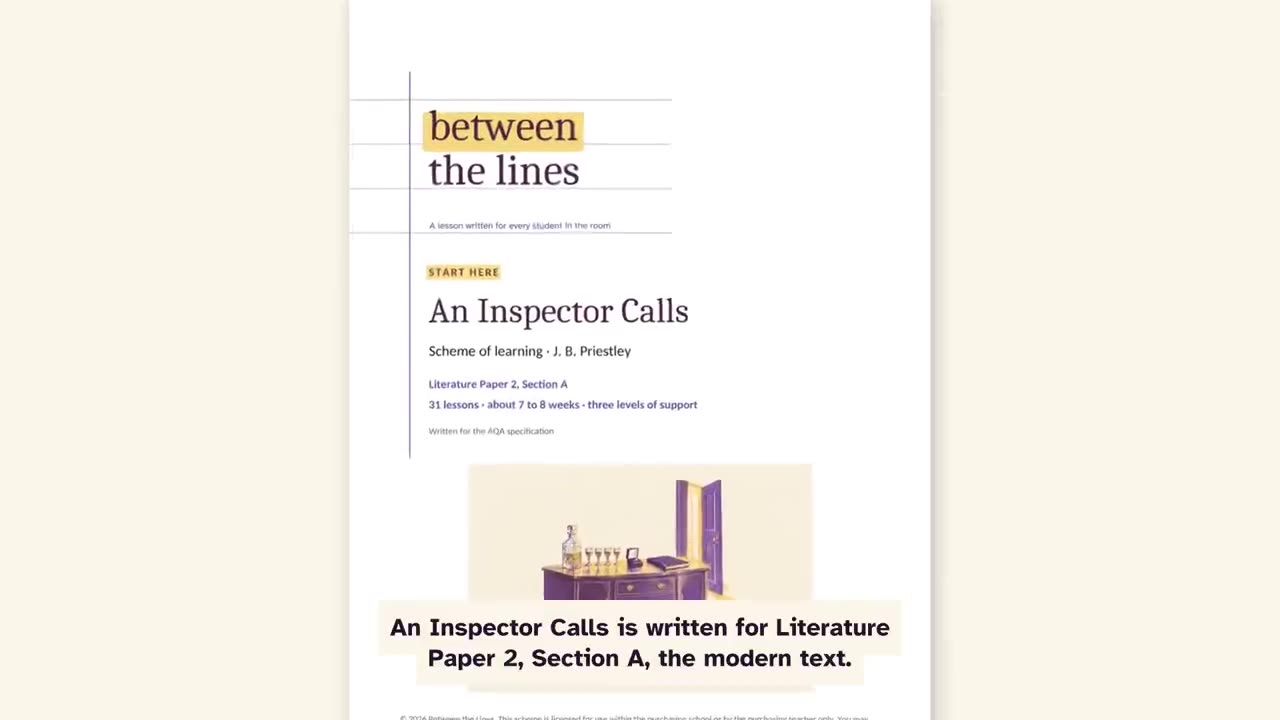
The An Inspector Calls scheme of learning in five minutes: the scheme at a glance, one lesson, the three levels of support and the Feedback Loop kits.
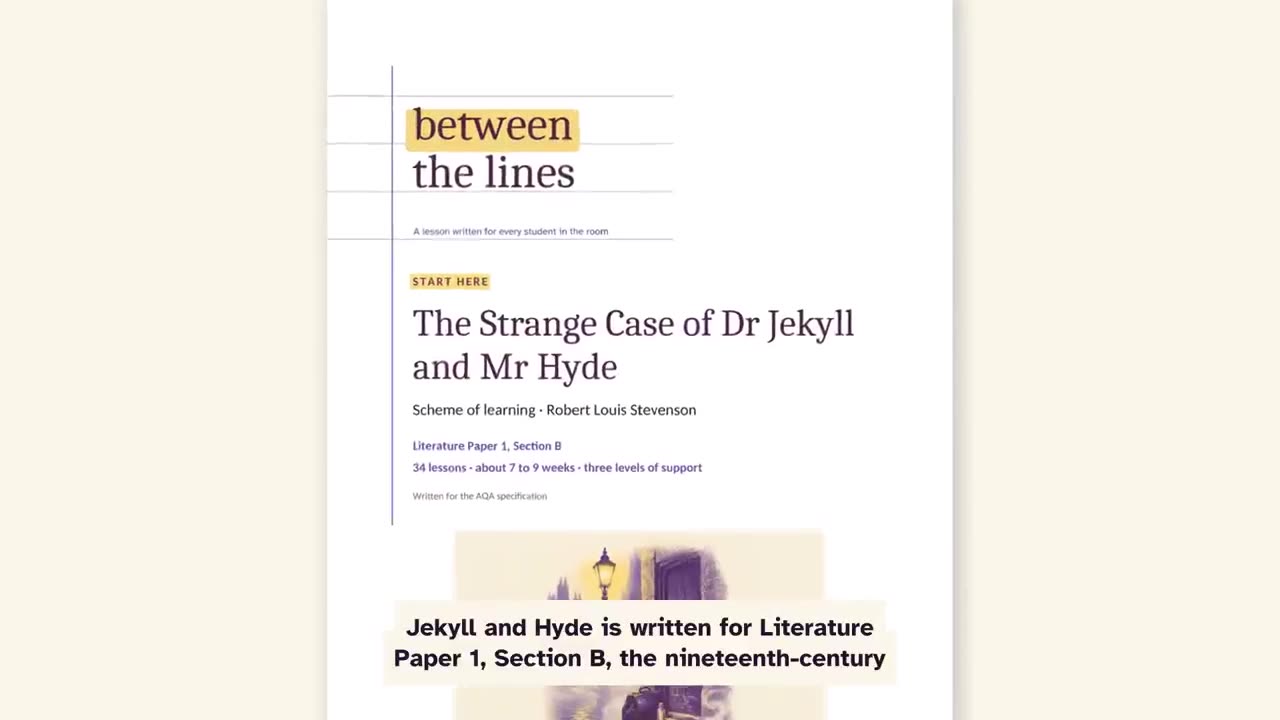
The Jekyll and Hyde scheme of learning in five minutes: the scheme at a glance, one lesson, the three levels of support and the Feedback Loop kits.
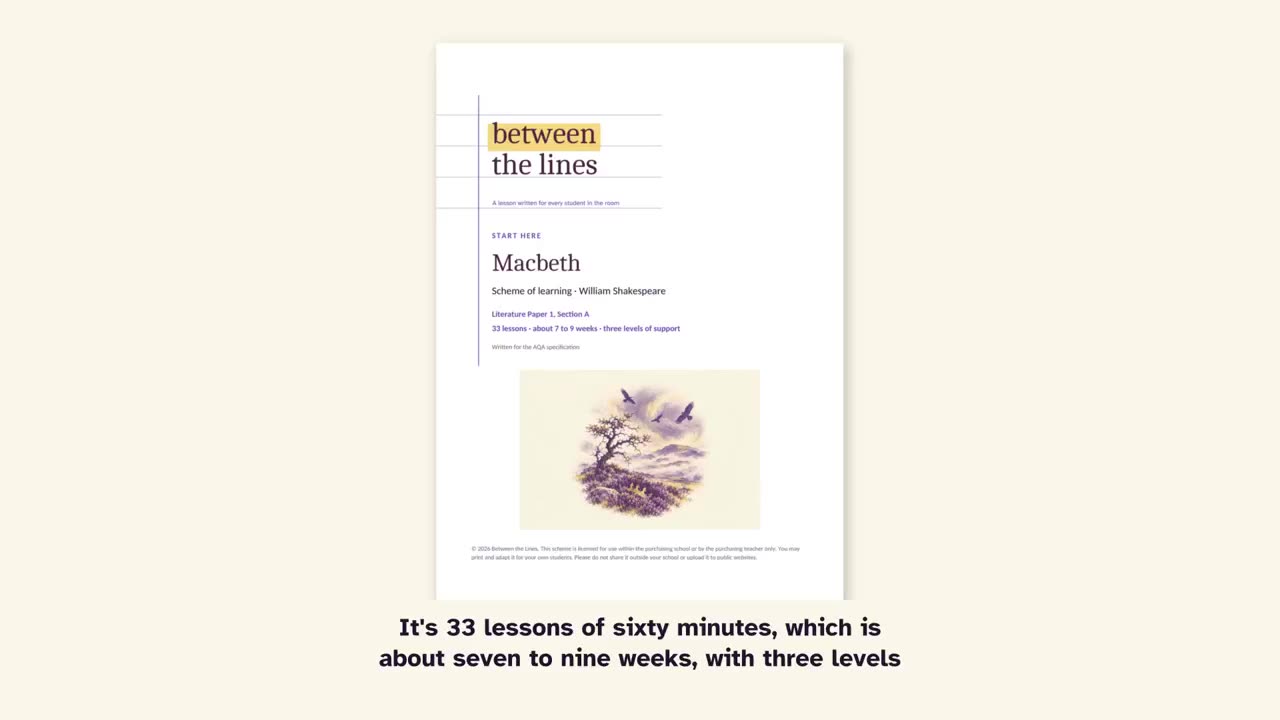
The Macbeth scheme of learning in five minutes: the scheme at a glance, one lesson, the three levels of support and the Feedback Loop kits.
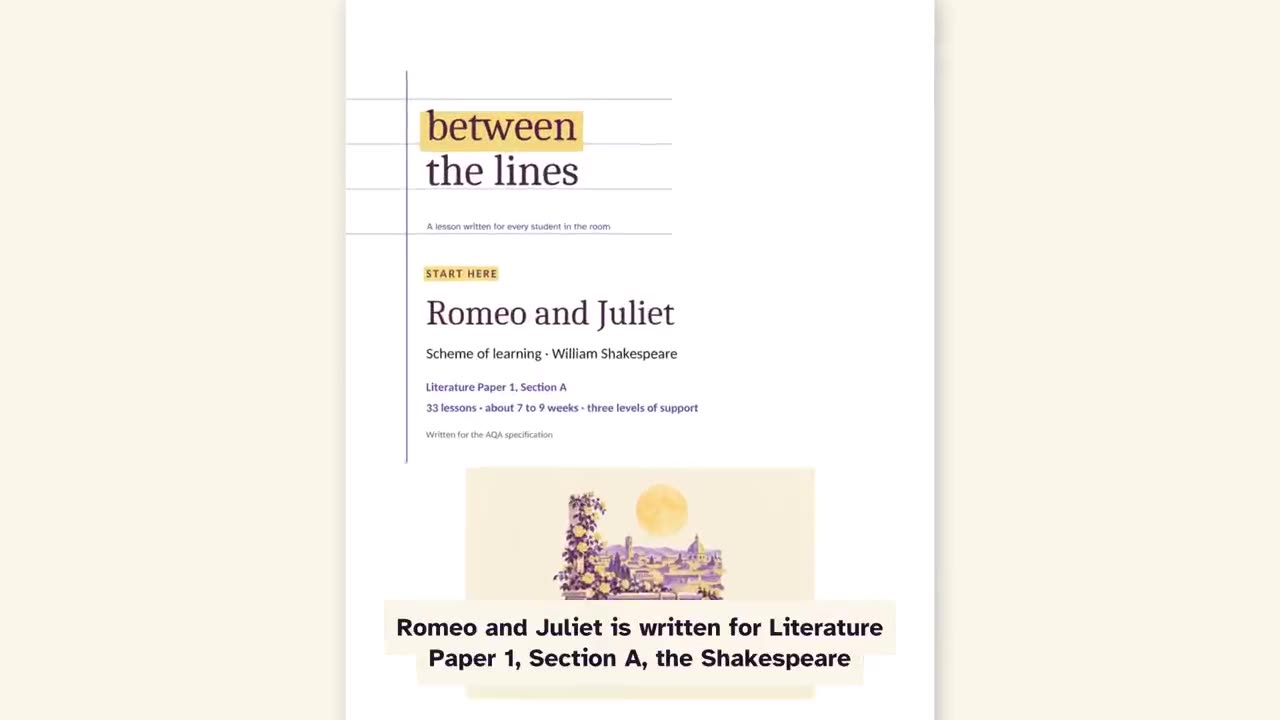
The Romeo and Juliet scheme of learning in five minutes: the scheme at a glance, one lesson, the three levels of support and the Feedback Loop kits.
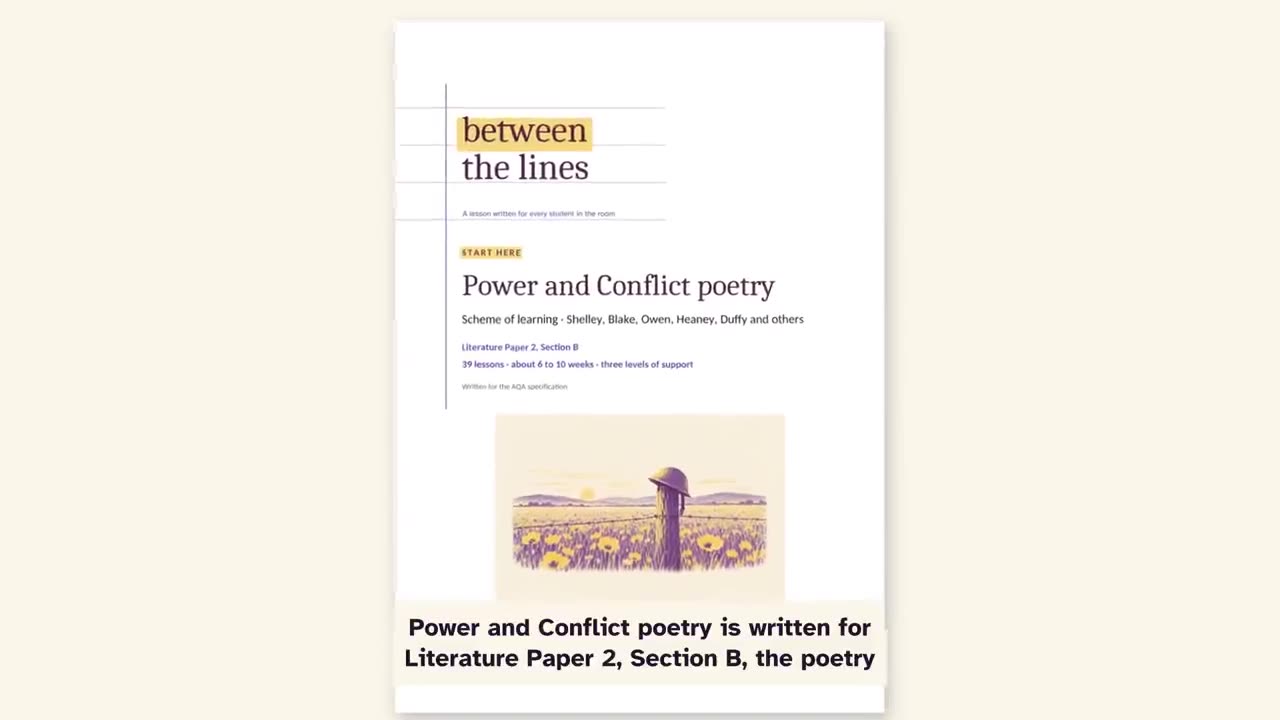
The Power and Conflict poetry scheme of learning in five minutes: the scheme at a glance, one lesson, the three levels of support and the Feedback Loop kits.
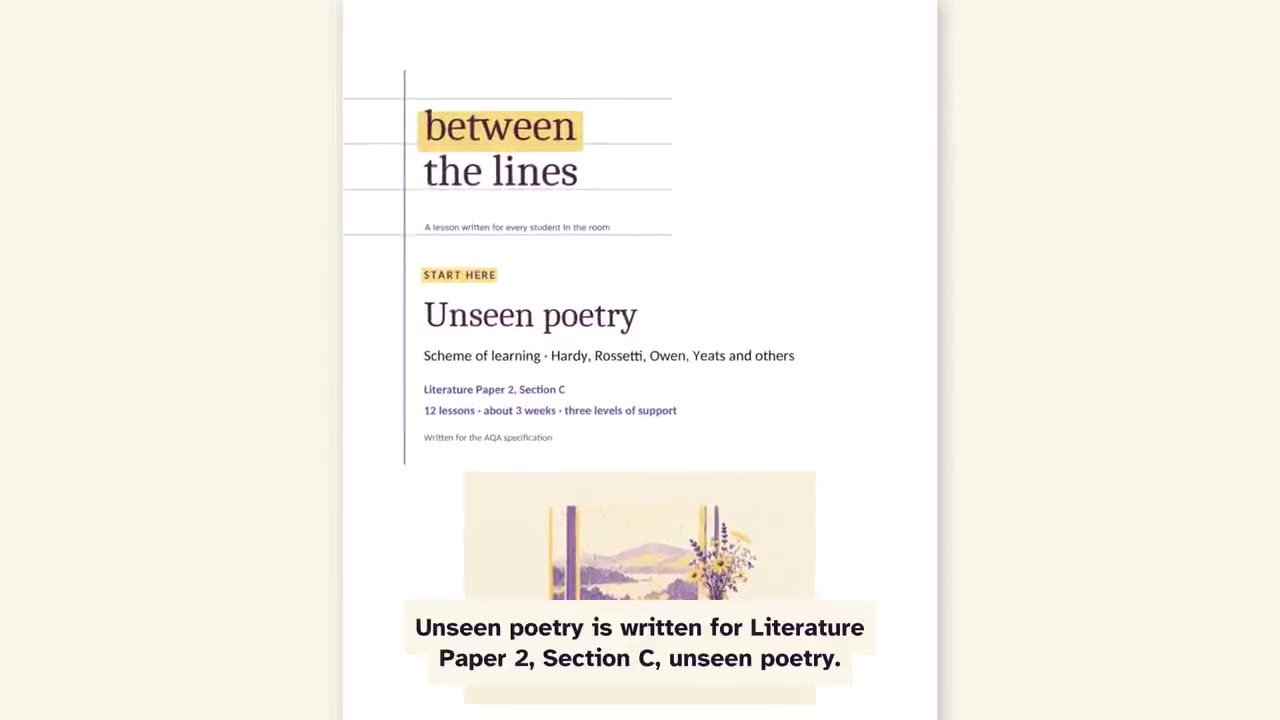
The Unseen poetry scheme of learning in five minutes: the scheme at a glance, one lesson, the three levels of support and the Feedback Loop kits.
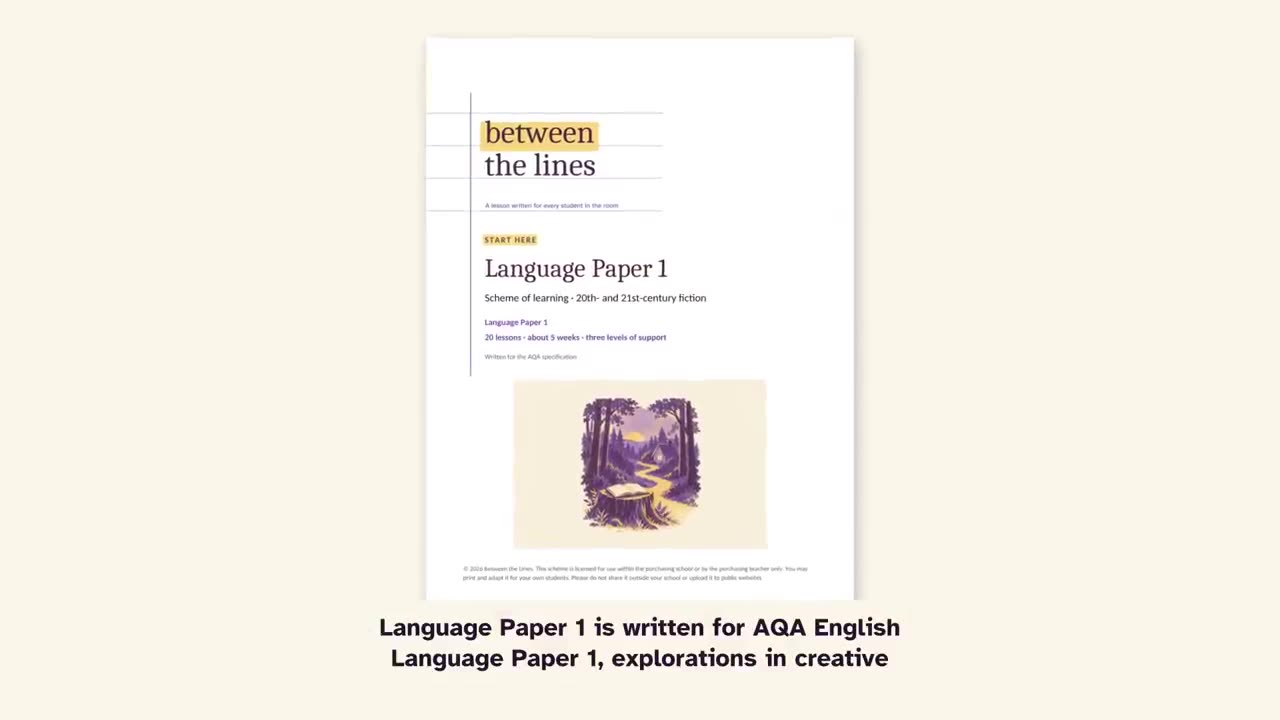
The Language Paper 1 scheme of learning in five minutes: the scheme at a glance, one lesson, the three levels of support and the Feedback Loop kits.
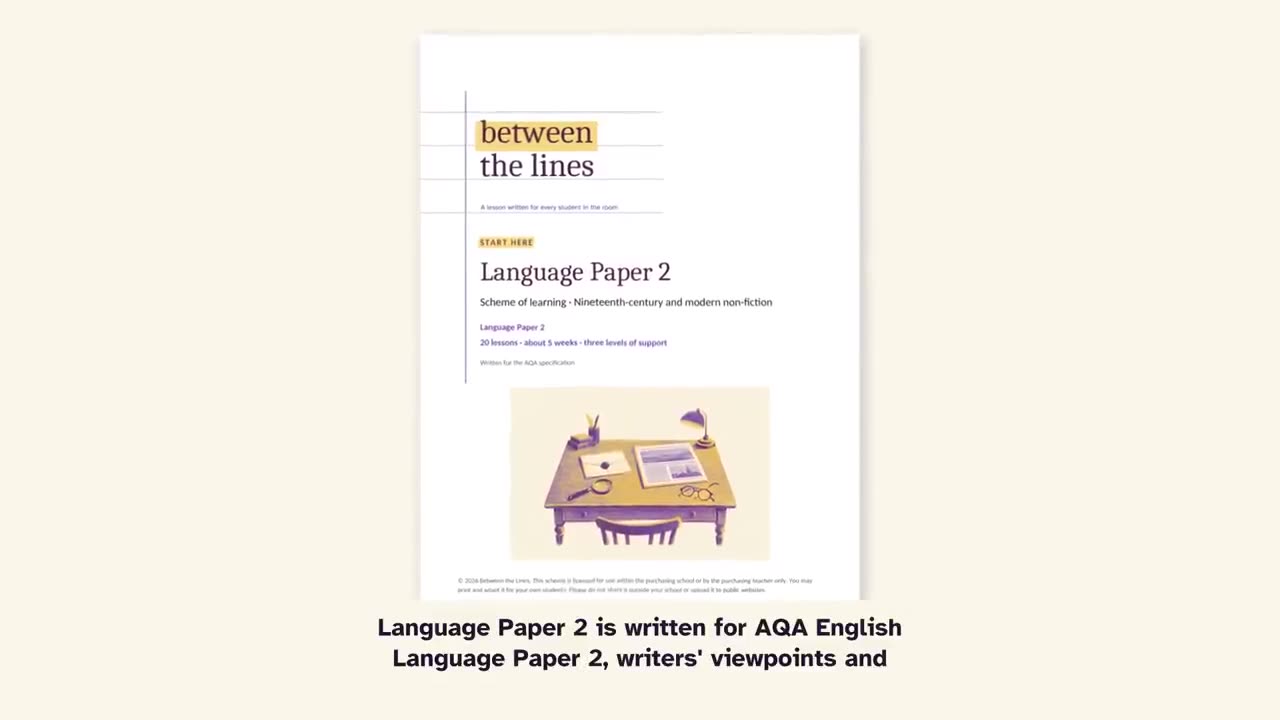
The Language Paper 2 scheme of learning in five minutes: the scheme at a glance, one lesson, the three levels of support and the Feedback Loop kits.
Get our emails
About once a month: new free resources and the dates that matter for GCSE English.